 Home / Resources / Blog Articles / Precision Sheet Metal Stamping Components: High-Performance Manufacturing for Your Business Needs
 December 03, 2025
Share:
December 03, 2025
Share:


In today's competitive manufacturing landscape, precision is key to producing high-quality components that meet the stringent requirements of various industries. One of the most versatile and widely used methods in metal fabrication is precision sheet metal stamping, a process that offers high efficiency and accuracy. For companies looking for precision and quality in their metal components, Full-Linking precision sheet metal stamping components offer the ideal solution. These components are ideal for applications across various sectors, including automotive, aerospace, electronics, and industrial equipment manufacturing. This article Full-Linking will provide an in-depth look at precision sheet metal stamping components, focusing on the key benefits, production capabilities, and materials used in this advanced manufacturing technique.
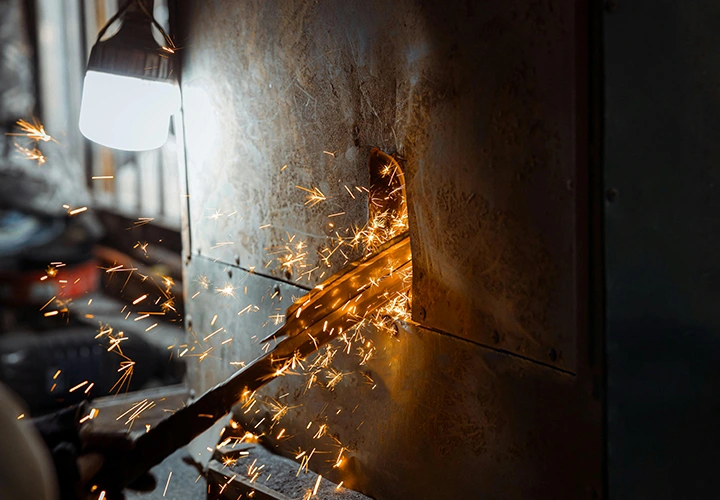
Precision sheet metal stamping is a high-volume manufacturing process used to create parts from sheet metal. The process involves feeding a sheet of metal through a press that uses a tool or die to shape the material into the desired form. This can involve bending, punching, cutting, or embossing to create complex shapes and parts with tight tolerances.
At Full-Linking, we specialize in manufacturing precision sheet metal stamping components that meet the highest standards of quality. These components are widely used in applications where high precision and durability are critical, such as in automotive, electronics, and aerospace industries.
One of the standout features of precision sheet metal stamping components is their ability to maintain tight tolerances. When working with metals like 316L stainless steel, 304 stainless steel, and 5754 aluminum, the stamping process ensures that each part is manufactured to exact specifications. This makes it an ideal choice for components that must fit together seamlessly in assembly processes or perform under strict operational conditions.
For example, parts used in automotive engines or critical aerospace applications often require extreme precision, and sheet metal stamping ensures that each part conforms to specifications with minimal deviation. This precision reduces the risk of assembly errors and product failures.
Precision sheet metal stamping is a highly efficient manufacturing method, capable of producing large quantities of components quickly. With production rates of up to 1000 pieces per hour, businesses can meet the demands of high-volume production while maintaining quality. This is especially beneficial for industries such as automotive and consumer electronics, where high-volume production is required without sacrificing component accuracy.
By using advanced stamping presses, manufacturers can produce hundreds of thousands of identical parts with consistency. The automated nature of the process further reduces labor costs and increases overall efficiency.
Compared to other metalworking processes, precision sheet metal stamping offers significant cost savings, particularly for large production runs. The cost per part decreases as the production volume increases, making it an economical option for manufacturing a variety of components. Additionally, sheet metal stamping minimizes material waste, ensuring that raw materials are used efficiently, which also contributes to cost savings.
Manufacturers can optimize their production costs by selecting the right materials and adjusting process parameters, such as press speed and die design, to suit their production needs.
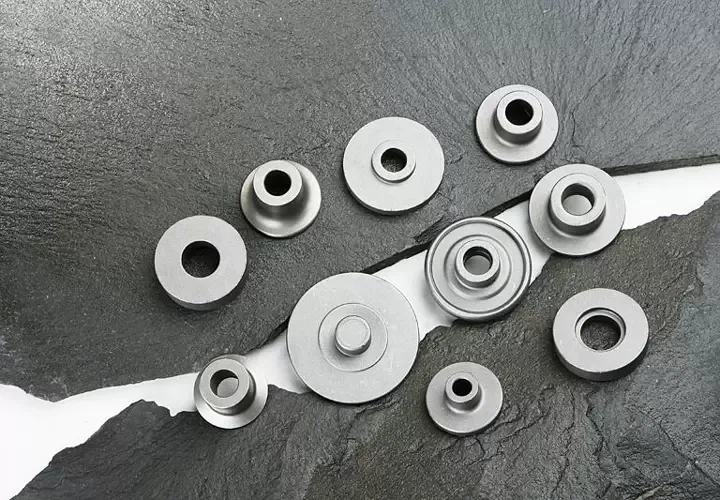
Full-Linking precision sheet metal stamping components can be made into a variety of shapes and sizes, from simple components to complex designs. This versatility makes it possible to create parts with features like holes, cutouts, and bends in one step, reducing the need for additional post-production processes.
Components such as brackets, panels, connectors, and enclosures can be produced using sheet metal stamping, and parts can be designed to accommodate a wide range of functions. The ability to integrate different features into a single part not only reduces the number of components needed but also helps optimize space and functionality.
The choice of material is one of the most critical factors that affect the performance, durability, and cost of precision sheet metal stamping components. Selecting the right material ensures that the components meet the required mechanical properties, withstand harsh environments, and are cost-effective for mass production. At Full-Linking, we work with a diverse range of materials that offer distinct benefits for various industrial applications. Below is a deeper look at the materials commonly used in Full-Linking precision sheet metal stamping components:
5754 aluminum is a high-strength, corrosion-resistant material that is highly valued in industries where components are exposed to harsh environments. This aluminum alloy is lightweight yet strong, making it ideal for applications in the automotive, marine, and aerospace industries. Its excellent resistance to corrosion, particularly in seawater and acidic environments, makes it a go-to material for manufacturing precision parts such as body panels, frames, and structural components. Moreover, 5754 aluminum has excellent formability, meaning it can be easily shaped into complex profiles during the stamping process, which enhances its versatility for a range of applications.
316L stainless steel is a low-carbon version of the 316 alloy, which is widely known for its exceptional corrosion resistance. It is ideal for applications in environments where components are exposed to aggressive chemicals, high temperatures, or marine conditions. This material is commonly used in the medical, food processing, and chemical industries. The 316L variant provides improved weldability and reduces the risk of corrosion at welded joints, making it an ideal choice for Full-Linking precision sheet metal stamping components that require both structural integrity and hygienic properties. The material's high strength and resistance to pitting, crevice corrosion, and stress corrosion cracking further enhance its performance in critical applications.
304 stainless steel is one of the most commonly used stainless steels due to its excellent corrosion resistance, ease of fabrication, and high strength. It is widely used in the manufacturing of kitchenware, architectural components, and medical devices. 304 stainless steel is particularly favored for Full-Linking precision sheet metal stamping components where parts must meet strict durability standards without excessive weight. Its non-reactive nature makes it suitable for food processing equipment and its resistance to oxidation makes it a long-lasting option for a variety of industrial components.
42CrMo4 steel is a chromium-molybdenum alloy steel that provides a combination of high tensile strength and toughness, making it ideal for Full-Linking precision sheet metal stamping components used in heavy machinery, automotive, and aerospace industries. This steel is particularly beneficial for applications where components are subjected to high stress or require resistance to wear and fatigue. 42CrMo4 steel is often used to produce gears, shafts, and structural components that must maintain their strength and stability under extreme conditions. This alloy is known for its excellent hardenability and ability to withstand high-impact forces.
C45 steel is a medium-carbon steel that offers a balance between good strength and machinability. This material is commonly used in applications where moderate levels of strength are required, such as in the production of mechanical parts like shafts, axles, and gears. C45 steel is highly versatile and can be easily shaped during the precision sheet metal stamping process. It offers good wear resistance and is cost-effective, making it an ideal choice for components used in industrial and automotive applications. The material can also be heat-treated to improve hardness, which increases its suitability for parts exposed to higher loads.
DC01 steel is a low-carbon steel that is widely used in the automotive and construction industries. Known for its excellent formability, it is used to manufacture parts that need to be shaped into complex geometries. DC01 steel is an excellent choice for precision sheet metal stamping components that require precision without the need for extensive post-production processes. This material is often used to produce components like car body panels, structural elements, and various automotive components, where both strength and formability are essential.
S235JR steel is a general-purpose structural steel that is commonly used in construction and engineering applications. Its excellent weldability and ease of formability make it suitable for a wide range of precision sheet metal stamping components, including structural elements, frames, and brackets. S235JR steel provides good performance in general industrial applications, and its relatively low cost makes it a cost-effective option for manufacturing large quantities of parts. It is also highly versatile, offering the flexibility to be used in various types of stamped components that need to meet stringent safety and structural standards.
At Full-Linking, we take pride in offering a comprehensive range of capabilities when it comes to precision sheet metal stamping components. From material selection to production volume, we ensure that every aspect of the manufacturing process meets the highest standards of precision and quality. Below are the key capabilities we offer for precision sheet metal stamping components:
Full-Linking precision sheet metal stamping capabilities support a maximum material thickness of 8 mm, allowing us to produce both thin, intricate components and thicker, robust parts. This flexibility means that we can accommodate a wide variety of design requirements. For applications such as heavy-duty machinery parts or thick metal enclosures, our ability to stamp materials up to 8 mm thick ensures that you get high-strength components that perform reliably under stress. Additionally, this capacity makes it possible to create more complex, structurally demanding parts without compromising on precision or finish.
We offer an extensive range of hole sizes in Full-Linking precision sheet metal stamping components, from as small as 2 mm to as large as 50 mm. This versatility is essential for producing parts that require precise holes for bolts, screws, or wiring. Whether it's a fine connector for electronics or a large hole for mounting in structural components, our stamping process ensures that the holes meet the desired tolerances and maintain the structural integrity of the part. This ability to accommodate a wide range of hole sizes without compromising accuracy makes Full-Linking an ideal partner for applications in industries such as aerospace, automotive, and electronics.
At Full-Linking, we have the capability to produce precision sheet metal stamping components at high speeds, with a production capacity of up to 1000 pieces per hour. This high throughput ensures that large orders can be fulfilled quickly without sacrificing quality. Whether you need a small batch of prototype components or a large volume of mass-produced parts, we can meet your needs with consistent quality and fast turnaround times. The ability to produce large quantities efficiently is a key advantage of precision sheet metal stamping, allowing businesses to keep production timelines on track and avoid delays in their supply chain.
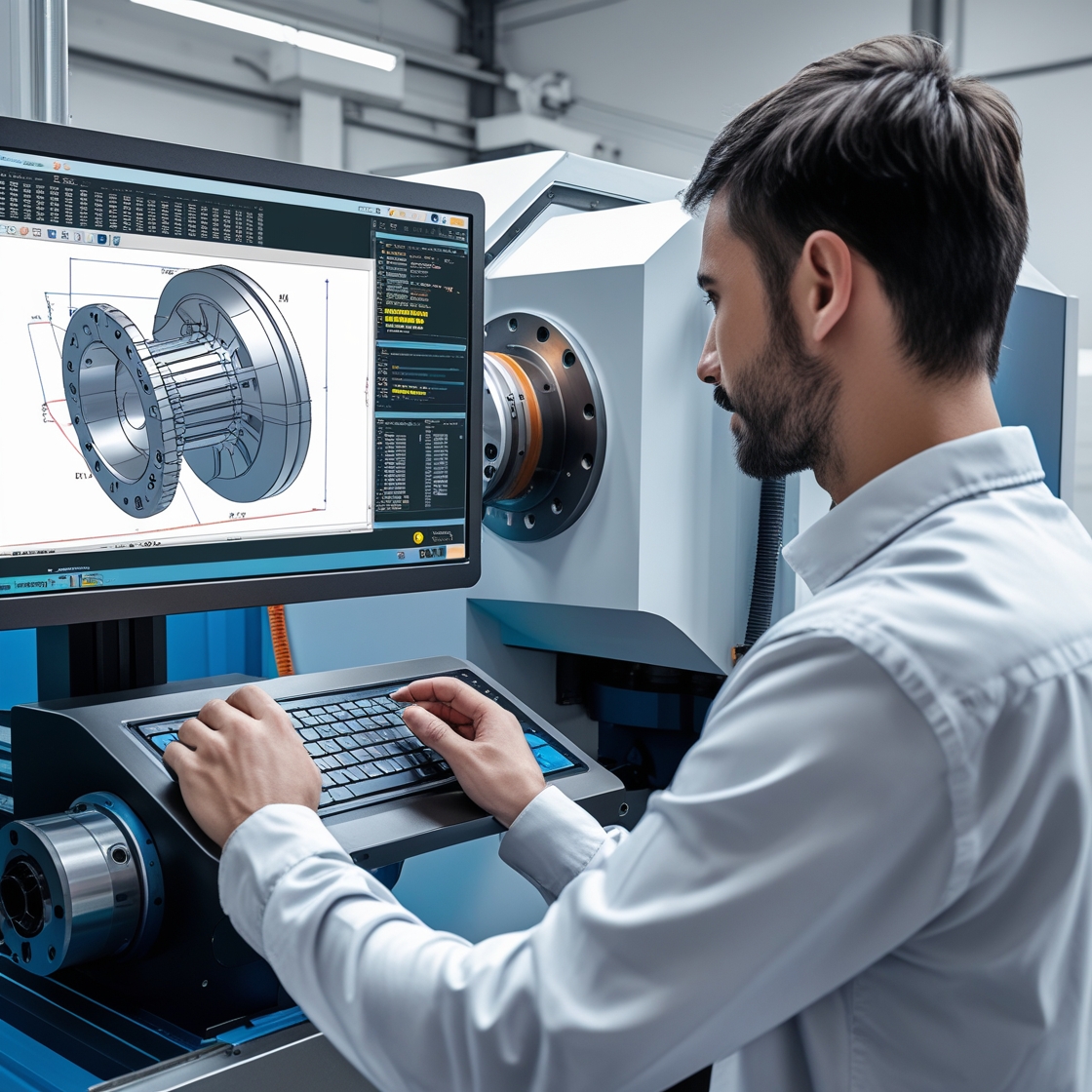
Full-Linking employs state-of-the-art tooling and die design techniques to ensure the highest levels of precision in every component we produce. Our engineering team works closely with clients to develop custom tools and dies that suit their specific requirements. This enables us to create precision sheet metal stamping components that feature complex geometries, tight tolerances, and unique features such as embossed markings or custom holes. Our investment in advanced tooling technology ensures that every part is made to the exact specifications, whether you're looking for small, precise parts or large components with intricate designs.
In addition to the core stamping process, Full-Linking offers a wide range of post-stamping processes to enhance the functionality, aesthetics, and durability of the final component. These include CNC machining, anodizing, surface finishing, heat treatment, and more. Each of these secondary processes is designed to improve specific properties of the component, such as surface quality, hardness, or corrosion resistance. For example, components made from 316L stainless steel can undergo passivation to further enhance corrosion resistance, while parts made from C45 steel can be heat-treated to increase their hardness and wear resistance.
This range of finishing options ensures that Full-Linking precision sheet metal stamping components meet the highest industry standards, providing added value to your project and ensuring that the final parts will perform reliably in real-world conditions.
By combining our extensive capabilities with the flexibility to handle various materials and custom designs, Full-Linking is your trusted partner for precision sheet metal stamping components that deliver consistent performance and precision. Whether you need high-volume production or specialized custom parts, we have the expertise and technology to meet your needs.
Full-Linking precision sheet metal stamping components offer exceptional quality, precision, and efficiency for a wide variety of industries. From automotive to aerospace, our advanced manufacturing processes and versatile material options ensure that we can meet the most demanding requirements. Whether you're looking for components made from 5754 aluminum, 316L stainless steel, or 42CrMo4 steel, Full-Linking can provide you with high-performance parts tailored to your specifications.
With our high production capacity, ability to work with a range of materials, and focus on precision and accuracy, we are your trusted partner for precision sheet metal stamping components. Contact us today to learn more about how we can help you streamline your manufacturing process and improve your product performance.

 Language
 English
 German
 French
 Spanish
 Italian
 Dutch
Dutch Polish
 Portuguese
 Russian
 Czech
Czech Swedish
 Danish
 Arabic
 Email
Email WhatsApp